
Las Vegas Attraction
Bellagio Conservatory & Botanical Gardens: Hours, Seasons & What to Expect
The Bellagio Conservatory & Botanical Gardens is a free indoor attraction inside Bellagio with large-scale seasonal floral displays and rotating themed installations. It is best for quick central Strip visits, photos, and first-time travelers, but it is more of a short walk-through stop than a full attraction.
Snapshot Verdict
- Overall vibe: Calm, elaborate seasonal floral walk-through with large-scale displays and strong photo opportunities
- Best for: First-time visitors, families, photographers, Bellagio visitors, and anyone wanting a free indoor Strip attraction
- Biggest downside: Crowds can make the compact walk-through feel congested, and displays close briefly between seasonal installations
- Time needed: 20–45 minutes
- Experience style: Free self-guided indoor walk-through with seasonal floral and themed installations
Quick Answer: Is Bellagio Conservatory Worth It?
The Bellagio Conservatory & Botanical Gardens is a free indoor attraction inside Bellagio featuring large-scale seasonal floral displays, themed installations, and rotating designs that change throughout the year.
This is not a long or highly interactive attraction. It is a self-guided walk-through built around seasonal design, visual detail, photography, and the convenience of being inside one of the central Strip’s most visited resorts.
What the Bellagio Conservatory Is Like
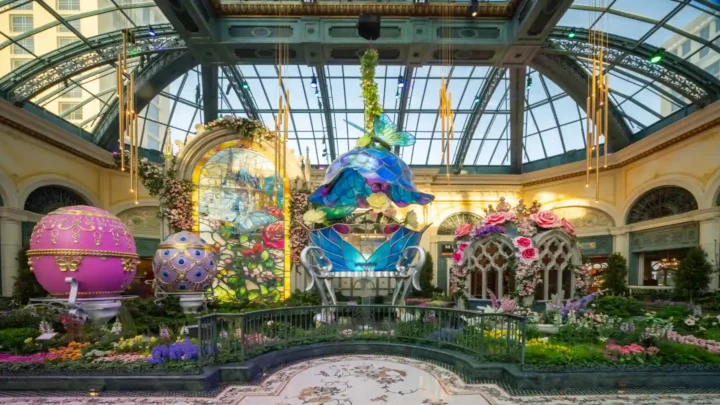
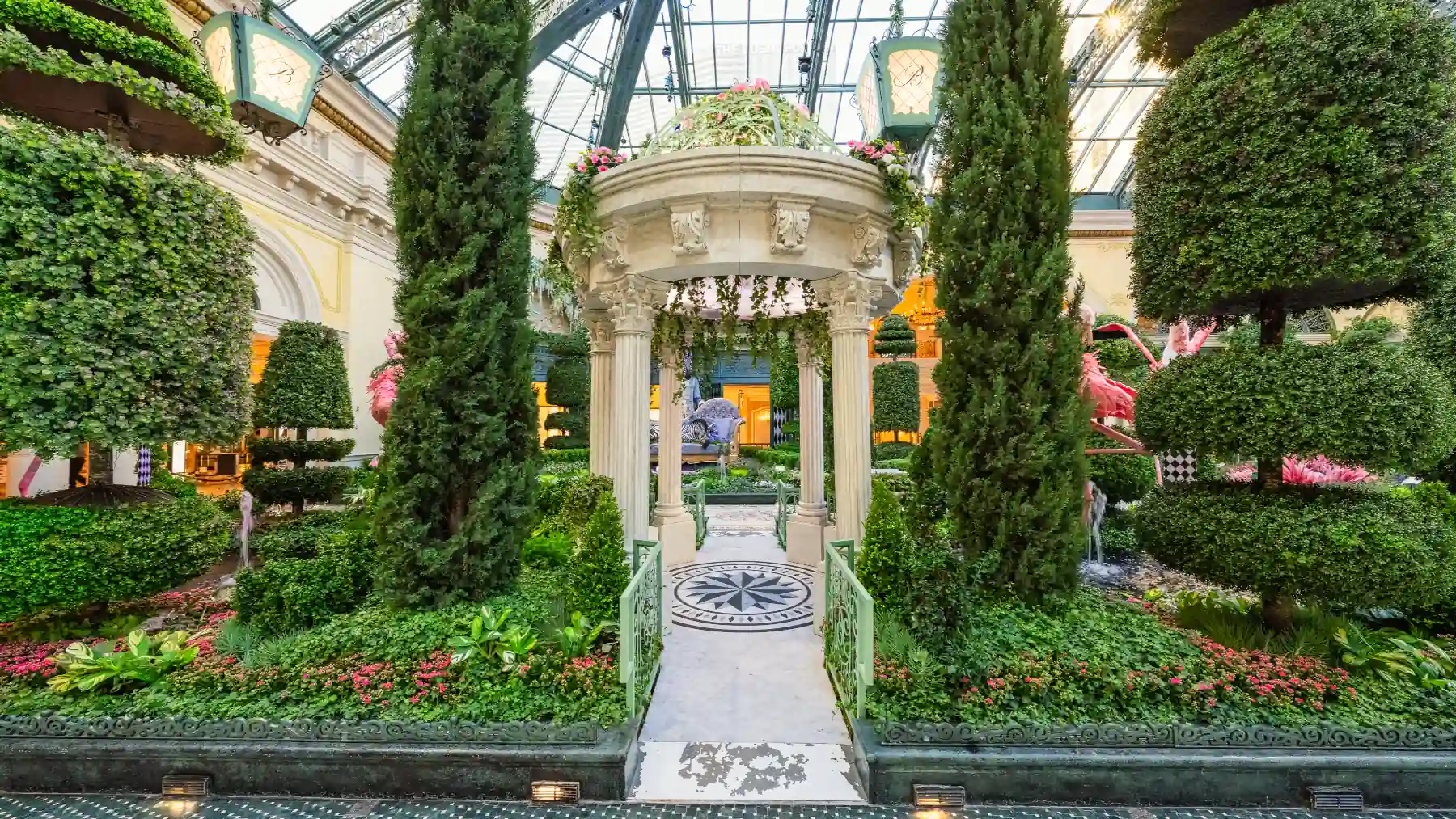
Visitors move through a 14,000-square-foot indoor Conservatory filled with large-scale floral arrangements, sculptural elements, themed scenery, and seasonal installations. The layout is self-guided, allowing you to stop for details and photos at your own pace.
The design changes substantially throughout the year, so the experience can look very different from one trip to the next. Bellagio rotates through major seasonal concepts including Lunar New Year, Spring, Summer, Harvest, and Holiday displays.
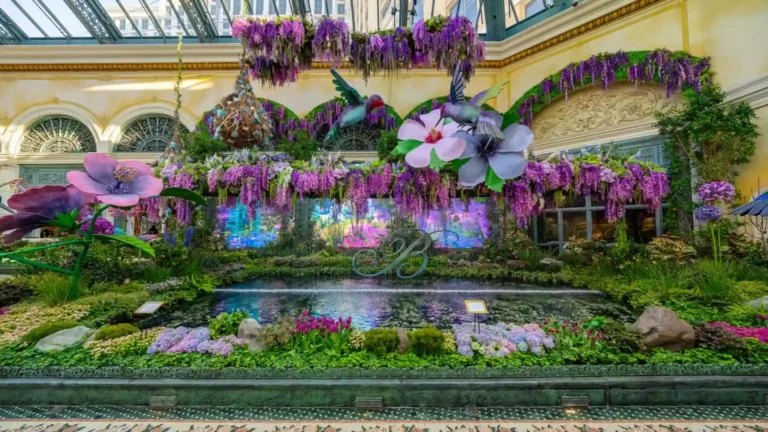
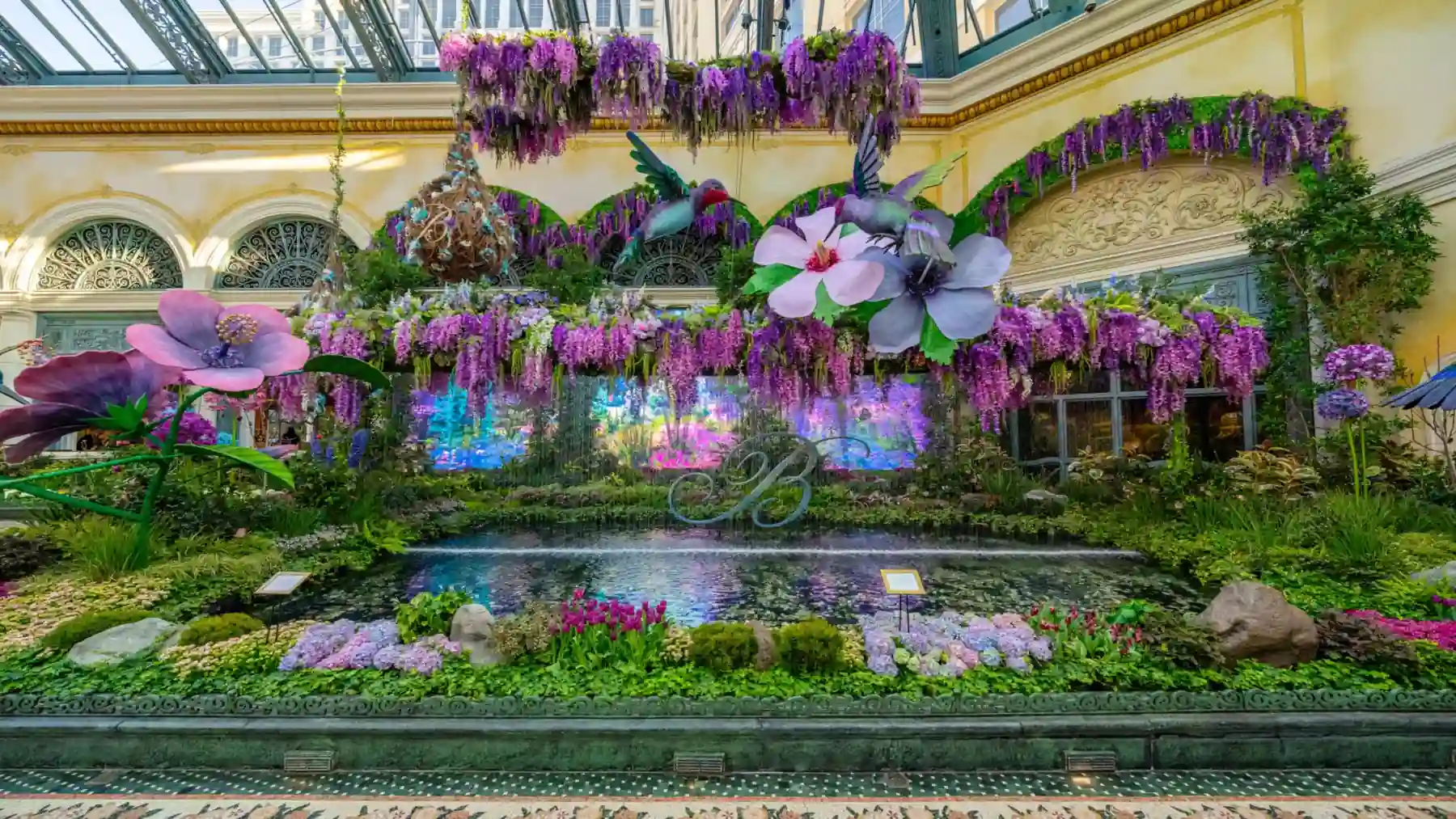
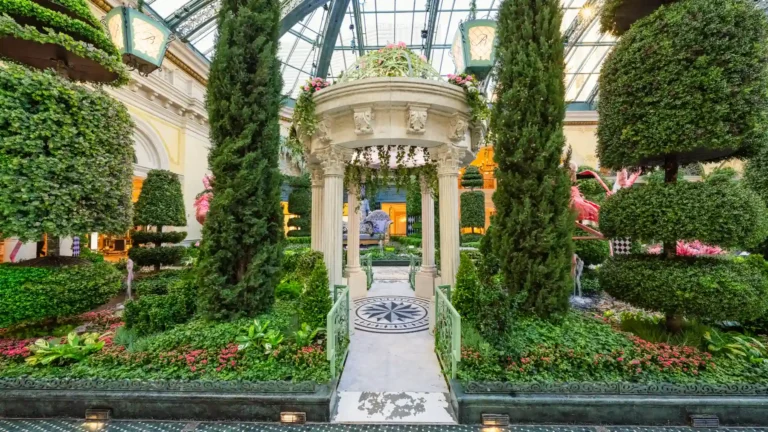
Photography is a major part of the appeal, particularly around the largest sculptures and floral installations. Crowds can make popular angles harder to capture, so visitors who care about photos may want to avoid the busiest periods.
Because the Conservatory is indoors and free to enter, it works especially well as a weather-proof stop while exploring Bellagio rather than as an attraction that requires a dedicated block of your day.
Seasonal Displays & Dark Dates
The Conservatory changes themes throughout the year, with major displays built around seasonal themes such as spring, summer, harvest, holiday, and Lunar New Year.
Between major displays, the Conservatory may temporarily close for installation changes. These short “dark dates” are important to check before visiting, especially if you are planning your trip around a specific display.
Because dates can change from year to year, check Bellagio’s current Conservatory schedule before making it a priority stop.
Best Time to Visit
If you want a quieter walk-through or cleaner photos, visiting outside the busiest midday and weekend periods can make the experience easier. Holiday displays can be particularly popular.
If photos matter, allow extra time and expect to wait briefly for clear views around the most popular display areas.
Who It’s Best For
- First-time visitors looking for a free central Strip attraction
- Travelers who enjoy seasonal displays, flowers, and detailed themed installations
- Couples, families, and photo-focused visitors
- Anyone wanting an easy indoor break while exploring Bellagio or the central Strip
Who Should Skip It
- Visitors looking for high-energy, interactive, or ticketed attractions
- Travelers who dislike crowds around photo-heavy displays
- Visitors who want a substantial attraction with activities, exhibits, or entertainment lasting much longer
- Anyone with very limited time focused only on major paid attractions
Location & How It Fits Into Your Trip
The Bellagio Conservatory & Botanical Gardens is located inside Bellagio, just beyond the main lobby and easily reached from the casino and central resort areas.
It fits naturally with the Bellagio Fountains, dining, shopping, or a walk through nearby central Strip resorts, making it especially easy to visit when you are already at Bellagio.
Cost, Hours & Entry
General access to the Bellagio Conservatory & Botanical Gardens is complimentary, with no standard admission ticket or timed reservation required. Bellagio currently lists the Conservatory as open 24 hours daily while a seasonal display is operating.
The major exception is the installation period between seasonal displays, when the Conservatory can temporarily close while the horticulture and engineering teams rebuild the space. Check Bellagio’s current display calendar if the Conservatory is an important part of your trip.
For itinerary planning, allow roughly 20–45 minutes. You can walk through faster, but photos, crowds, and time spent examining the details can extend the visit.
Bellagio also offers separate premium experiences associated with the Conservatory, such as Garden Table dining, but those are distinct from the free general walk-through.
How Bellagio Conservatory Compares
Compared to the Bellagio Fountains, the Bellagio Conservatory & Botanical Gardens is quieter, indoor, self-paced, more seasonal, and better for detailed photos, weather relief, and a slower Bellagio walk-through stop. The Bellagio Fountains are shorter, outdoor, more iconic, and better for a quick free Strip show, couples, first-time visitors, and nighttime plans. If you are choosing between the two, see our full Bellagio Conservatory vs Bellagio Fountains comparison.
If you are comparing Las Vegas’s major free attractions more broadly, our Bellagio Fountains vs Fremont Street Experience vs Bellagio Conservatory comparison expands the decision to all three — comparing the Conservatory’s calm indoor seasonal displays and weather-friendly convenience with the Bellagio Fountains’ quick iconic Strip spectacle and Fremont Street Experience’s longer, high-energy Downtown nightlife and live entertainment.
Simple rule: Choose Bellagio Conservatory for a calm indoor seasonal display and detailed photos; Bellagio Fountains for the more iconic free Strip spectacle; or Fremont Street Experience for louder, longer, higher-energy Downtown entertainment.
For more no-cost options, our guide to the best free things to do in Las Vegas highlights more attractions, shows, landmarks, and resort experiences that do not require an admission ticket.
If you’re looking for more weather-proof options, our guide to the best indoor things to do in Las Vegas highlights attractions that work especially well during extreme heat or poor weather.
If you’re comparing attractions across Las Vegas before deciding what to prioritize, our Best Las Vegas Attractions guide highlights more of the city’s strongest sightseeing, immersive, family, and entertainment options.
Final Take
Bellagio Conservatory & Botanical Gardens is worth visiting if you want a free, visually elaborate indoor attraction that fits easily into a central Strip itinerary. It works particularly well for first-time visitors, families, photographers, and anyone already exploring Bellagio.
It is less compelling if you want a substantial or highly interactive attraction, and crowds can reduce the experience during popular displays. The biggest practical consideration is timing your visit around the seasonal installation calendar so you do not arrive during a dark period.
Highlights
- 14,000-square-foot indoor Conservatory inside Bellagio
- Large seasonal floral and themed installations that change throughout the year
- Detailed floral sculptures, themed scenery, and large-scale photo backdrops
- Free general walk-through attraction with detailed photo opportunities
- Easy pairing with the Bellagio Fountains and other central Strip plans
❓ Frequently Asked Questions
Is Bellagio Conservatory worth visiting?
Yes. Bellagio Conservatory is worth visiting if you want a free, visually elaborate indoor attraction that is easy to combine with other central Strip plans. It is particularly good for first-time visitors, families, photographers, and anyone already visiting Bellagio.
How long should you spend at Bellagio Conservatory?
Most visitors should allow roughly 20–45 minutes. You can move through more quickly, but visitors who stop for photos and details may spend longer, especially when the Conservatory is crowded.
Is Bellagio Conservatory free?
Yes. General access to the Bellagio Conservatory & Botanical Gardens is complimentary. Bellagio also offers separate premium experiences inside or around the Conservatory that may require reservations or payment.
Does Bellagio Conservatory change throughout the year?
Yes. Bellagio redesigns the Conservatory for seasonal installations including Spring, Summer, Harvest, Holiday, and Lunar New Year. The exact themes and dates change each year.
Does Bellagio Conservatory ever close between displays?
Yes. Bellagio schedules short dark periods between some seasonal installations while the horticulture and engineering teams transform the space. Check the current display calendar if the Conservatory is an important part of your trip.
Is Bellagio Conservatory better than the Bellagio Fountains?
Bellagio Conservatory is better if you want an indoor, self-paced, seasonal attraction with detailed photo opportunities. Bellagio Fountains are better if you want the more iconic outdoor Vegas spectacle, especially at night. Most visitors already at Bellagio can easily do both.
Is Bellagio Conservatory good for kids?
Yes. Bellagio Conservatory works well for families because it is indoors, self-paced, visually engaging, and does not require a long time commitment. It is less activity-focused than a dedicated kids attraction, so the appeal is mainly the displays, colors, scale, and atmosphere.
Photos of Bellagio Conservatory
Still comparing attractions? Browse all Las Vegas attraction tickets & deals →